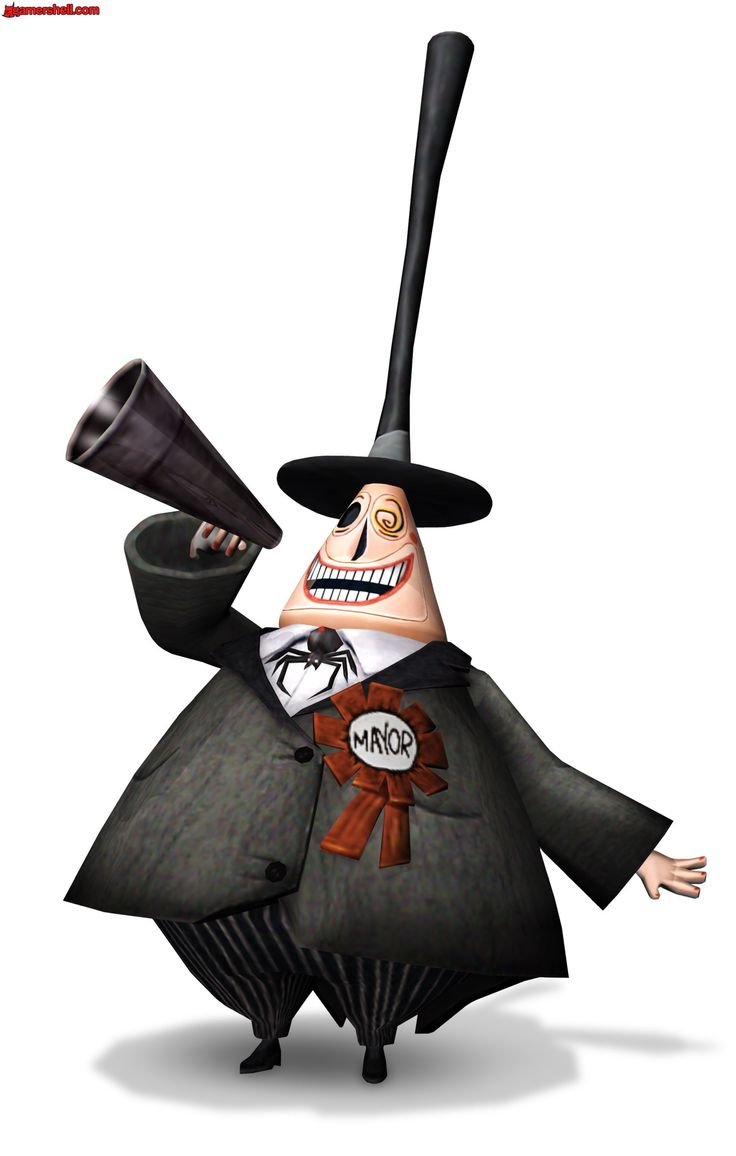
Few characters from the quirky, enchanting world of Halloween Town leave quite the same indelible impression as its two-faced, perpetually flustered leader. Diving Behind-the-Scenes: Creating The Nightmare Before Christmas Mayor reveals a masterclass in stop-motion animation, character design, and the meticulous craftsmanship that brought this iconic figure to life. More than just a figurehead, the Mayor embodies the very spirit of Halloween Town—a blend of playful macabre and earnest, if often misguided, enthusiasm.
From the first concept sketches to the painstaking, frame-by-frame animation, every aspect of the Mayor’s creation was a deliberate act of imagination. His distinctive design, a perfect fusion of Halloween and Christmas elements, alongside his eccentric attire and utterly unique personality, made him an instant classic. He’s a character people genuinely enjoy unraveling, both on screen and in creative projects inspired by him.
At a Glance: Crafting Halloween Town's Flustered Leader
- A Stop-Motion Marvel: The Mayor's creation was part of a monumental three-year production, requiring animators to craft 110,000 unique frames at 24 frames per second.
- Dual Nature, Dual Faces: His most iconic feature, the rotating head, perfectly symbolizes his blend of pompous authority and underlying fragility, reflecting the town's shifting moods.
- Distinctive Design: From his oversized top hat to his formal, yet whimsical, coat, every detail of his attire and imposing figure was carefully sculpted and animated.
- Meticulous Craftsmanship: Achieving accuracy required constant reference to concept art, intricate sculpting for facial expressions, and a precise color palette to match the film's gothic aesthetic.
- Lasting Legacy: The Mayor's design continues to inspire countless artists and fans, proving the enduring power of thoughtful character development and stop-motion artistry.
The Genesis of a Ghoulish Statesman: Why the Mayor Matters
The Nightmare Before Christmas isn't just a film; it's a meticulously crafted universe, and every character, no matter how minor, serves a purpose. The Mayor, however, isn't minor. He's the very heartbeat of Halloween Town’s bureaucratic chaos, a leader who shifts from exuberant cheer to abject panic with a literal turn of his head. This duality is not merely a visual gimmick; it's central to his charm and utility within the narrative.
His pivotal role as the leader of Halloween Town meant his design had to convey authority, yet also a touch of the absurd. He needed to feel like a figurehead capable of managing a town of monsters, while simultaneously being hilariously out of his depth. This complex balance was the initial hurdle for the character's creators: how do you visually articulate a personality that is both pompous and profoundly fragile? The answer, as we know, lay in a stroke of genius: the rotating head.
Breathing Life, Frame by Frame: The Stop-Motion Challenge
Bringing any character to life through stop-motion is an arduous, painstaking process, and the Mayor was no exception. The Nightmare Before Christmas itself was a monumental undertaking, with film production beginning in 1990. Imagine the scale: shooting at 24 frames per second meant animators had to meticulously create 110,000 unique motions, or frames, in total. To put that into perspective, just one minute of the movie took approximately one week to shoot. The entire film, a true labor of love, took three years to complete before its release on October 29, 1993.
For the Mayor, this meant crafting multiple puppets, each with slight variations for different scenes, expressions, and actions. The sheer number of frames required to show him spinning his head, gesturing wildly, or simply looking worried, multiplied the workload exponentially. Every tiny adjustment to his posture, every subtle shift in his facial expression, had to be moved, photographed, and then repeated for the next frame. This wasn't just animation; it was an act of sculptural choreography.
Later, the tangible results of this incredible effort were showcased for the public. Stop-motion puppets, concept art, and props used for filming were displayed at the El Capitan theater in Hollywood through October 31, 2006, as part of the 3-D re-release. Some exhibits of these fascinating puppets and settings were also featured at Disney-MGM Studios' Backlot Tour in 1994, allowing fans a rare glimpse into the artistry involved. These exhibits underscored the physical reality of these characters—they were real, tangible creations, not just digital illusions.
The Anatomy of Authority: Deconstructing the Mayor’s Design
The Mayor's distinctive design is a masterclass in visual storytelling, combining elements that are both Halloween-centric and surprisingly formal. His appearance, a tall, imposing figure, immediately commands attention, yet there’s a deliberate exaggeration that tips him into the realm of caricature.
His Signature Attire: A Blend of Worlds
The Mayor's clothing is perhaps the most immediate visual cue to his personality and role. You'll notice:
- Oversized Top Hat: A symbol of formal authority, yet comically large, hinting at his slightly over-the-top persona. This isn't just a hat; it's a crown for a town built on scares.
- Formal Coat: Traditionally a sign of gravitas, but in the Mayor's case, it's often slightly askew or exaggerated in its cut, reflecting his flustered state. The dark blues, greens, or purples often chosen for his coat, complemented by lighter colors for his shirt, use slightly muted shades to match the film's gothic-yet-playful aesthetic.
- Accessories & Details: Small touches like buttons, the fabric texture (which animators had to simulate through sculpting and painting), and even the subtle curve of his lapels contribute to the overall impression of a well-meaning but slightly disheveled leader.
These elements aren't just arbitrary choices; they are deliberate design decisions that feed into the "pompous authority" aspect of his character, while the inherent clumsiness in their presentation (like a slightly ill-fitting hat) subtly hints at his "underlying fragility."
The Dual Face: A Masterstroke
Undoubtedly, the Mayor's most iconic feature is his rotating head, revealing two distinct faces: one perpetually cheerful and confident, the other anxious and distraught. This wasn't just a visual gag; it was a profound way to communicate his personality and the volatile emotional landscape of Halloween Town itself.
When Halloween Town is thriving or when Jack Skellington presents an exciting new idea, the Mayor's happy, confident face is front and center. But the moment trouble brews, or Jack's plans go awry, a quick spin reveals his panicked, worried expression. This physical manifestation of mood saved valuable animation time (no need for complex facial morphs) while creating an unforgettable character beat. The challenge for animators was ensuring that both faces, despite their extreme differences, still felt like they belonged to the same character, maintaining consistency in structure and overall appearance.
Sculpting Personality: Beyond the Visuals
While his appearance is striking, it’s the Mayor’s personality that truly endears him to audiences. He's a character defined by a captivating blend of traits:
- Pompous Authority: He is the Mayor, and he knows it. He often speaks with a puffed-up chest, trying to maintain an air of control and importance, especially in public. He loves a parade and is keen to take credit for the town's successes.
- Underlying Fragility: This pomposity often cracks under pressure. He's easily overwhelmed, quick to panic, and relies heavily on Jack Skellington for actual leadership. His "sad" face isn't just sad; it's utterly despairing, highlighting his vulnerability.
- Clumsiness/Ineptitude: Despite his position, he's not the most capable leader. He often fumbles, makes mistakes, and sometimes needs his trusty megaphone to be heard over the hubbub, a tool that reinforces his need to command attention.
Bringing these nuanced personality traits to life through stop-motion required incredible skill. Animators couldn't just rely on dialogue; every gesture, every tilt of his oversized head, every slight tremble of his hands had to convey these internal states. The physicality of the puppet itself became an extension of his character. If you're fascinated by the broader world he inhabits, you might enjoy exploring All about the Mayors Christmas nightmare for more insights.
The Animators' Toolkit: Lessons from the Craft
The painstaking process of creating the Mayor, from initial concept to final frame, mirrors the meticulousness required in any detailed creative project. The very tips that help fans craft their own versions of the Mayor offer a direct parallel to the professional animators' approach:
1. Reference, Reference, Reference
Just as a fan creating a polymer clay Mayor figurine needs to "consistently reference high-quality images of the Mayor for accuracy in features and attire," so too did the original animators rely heavily on concept art, maquettes (small physical models), and character sheets. Ensuring consistency across thousands of frames, and across multiple animators, was critical. Every detail, from the exact curvature of his mustache to the specific pleats in his coat, had to be precise.
2. Prioritize Detail, Capture Subtleties
For animators, "taking time to capture subtleties in the costume and facial features" wasn't just a tip; it was their job. The minute variations in his eye shape, the positioning of his mustache, and the curve of his mouth had to be carefully observed and sculpted for each of his expressions. For miniatures, polymer clay is often recommended for its ability to hold such intricate detail, providing an ideal medium to capture his distinct facial expressions. Even the slight texture of his felt coat or the shine on his top hat required careful consideration in the puppet's construction and lighting.
3. Experiment with Textures (and Materials)
Animators explored varied textures through different fabrics or sculpting techniques for realism. The Mayor's costume, for instance, might have combined different materials to achieve specific visual effects on screen. His head, likely a harder resin or clay, would contrast with softer fabrics used for his clothing, all carefully chosen to photograph realistically under the studio lights. This experimentation helped give the characters their tactile, handmade feel, a signature of stop-motion.
4. Master the Color Palette
Pay close attention to the specific color shades used in the Mayor’s attire to capture the film’s gothic-yet-playful aesthetic. The film’s distinctive, muted color palette was crucial for establishing its unique atmosphere. The dark blues, greens, or purples of his coat, contrasted with lighter shirt tones, were not accidental. They were carefully selected to fit into the overall visual language of Halloween Town—spooky yet vibrant, never truly bleak. This artistic choice ensured the Mayor, despite his often-anxious state, never faded into the background.
5. Practice Makes Perfect
The animators working on The Nightmare Before Christmas were highly skilled professionals, but even they practiced and refined techniques. Before animating a complex scene, they might "practice key techniques on smaller elements" or run tests to ensure the movement would look fluid and natural on screen. This iterative process, this constant refinement of skills and experimentation, is what ultimately delivered the polished, believable performance we see from the Mayor.
The Mayor's Enduring Legacy: Inspiring Creativity
The meticulous creation of the Mayor didn't end when the credits rolled. His distinctive design, personality, and role continue to inspire a vibrant community of artists and fans. His blend of pompous authority and underlying fragility, combined with his iconic look, makes him a favorite subject for various creative projects:
- Sculptural Work: Whether it's a detailed polymer clay Mayor figurine, carefully sculpting the body, creating and attaching clothing, molding the face (eyes, mustache), and painting details, or even a larger paper mache Mayor mask, his form is instantly recognizable and rewarding to recreate.
- Textile Arts: From a cross-stitch Mayor portrait, where artists select patterns and stitch accurately to add depth and definition, to a charming felt Mayor ornament, stitching together pieces for the body, hat, and coat, his attire translates beautifully into fabric.
- Costume & Culinary Arts: His eccentric look makes him a fantastic choice for a Mayor-inspired Halloween costume, requiring careful gathering and modification of materials to match his attire. Even a Mayor-themed cake, frosted with neutral icing and adorned with fondant attire details, captures his essence in a delicious way.
In all these interpretations, the key aspects of the Mayor's character—his tall, imposing figure, his top hat, his formal coat, and distinctive facial features—remain paramount. Artists pay close attention to the specific details of his clothing, including accessories like buttons and fabric texture, and strive to capture his blend of pompous authority and underlying fragility. It’s a testament to the original design’s strength that it can be reinterpreted in so many ways while remaining instantly identifiable.
Final Thoughts: The Art of the Imperfect Leader
The creation of the Mayor for The Nightmare Before Christmas is far more than just a technical achievement in stop-motion animation. It's a testament to thoughtful character design—how every element, from his dual faces to his oversized hat and perpetually flustered demeanor, contributes to a cohesive, memorable personality. He’s a character we root for, despite his flaws, because he embodies the endearing chaos of Halloween Town and the very human struggle to maintain composure when things go wonderfully, hilariously wrong.
His journey from concept art to a screen icon highlights the power of collaboration, meticulous attention to detail, and a deep understanding of how visual elements can communicate complex emotions and roles. The Mayor serves as a compelling reminder that even the most fantastical worlds are built on a foundation of tangible artistry and an appreciation for the quirks that make us, and our favorite characters, so wonderfully unique. So, the next time you see him spin his head in a panic, remember the hundreds of hours and thousands of frames it took to make that moment perfect.